🎯 Facilitator-led team building
Team building that actually works on Monday morning
Structured experiences, trained facilitators, and the debrief most vendors skip — across 27+ Indian cities.
- years
- 13+
- cities
- 27+
- group sizes
- 10 to 1,500+
- rebook rate
- 87%



Browse by category
Top team building activities
The formats Indian teams book most — proven, scalable, loved.
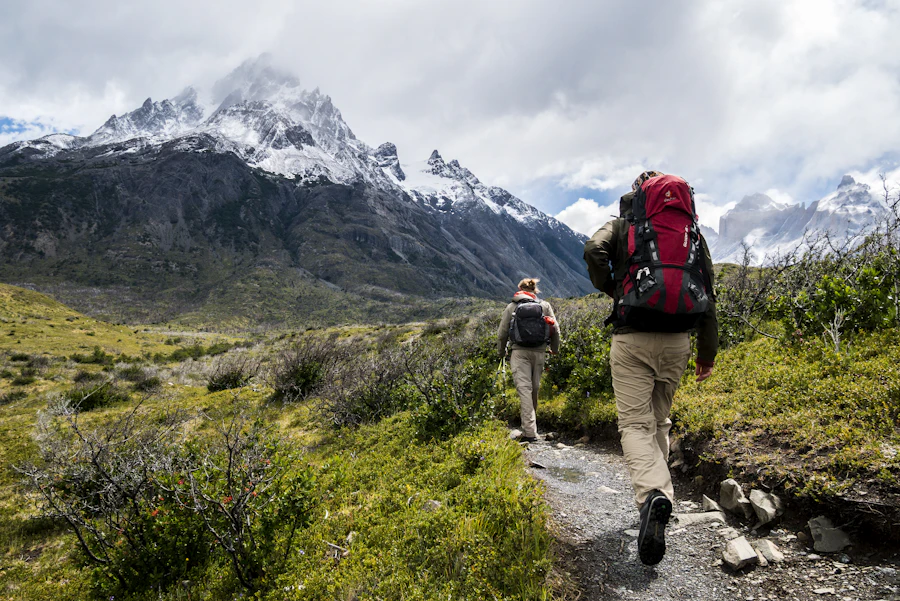
Corporate Treasure Hunt
⚡ High20–500 participants · 2–3 hours
Collaboration · Problem solving

Raft Building Challenge
⚡ High10–100 participants · 2.5–3.5 hours
Planning and execution · Leadership

Escape Room Challenge
⚡ Medium4–100 participants (parallel rooms) · 60–90 minutes
Collaborative problem solving · Information sharing
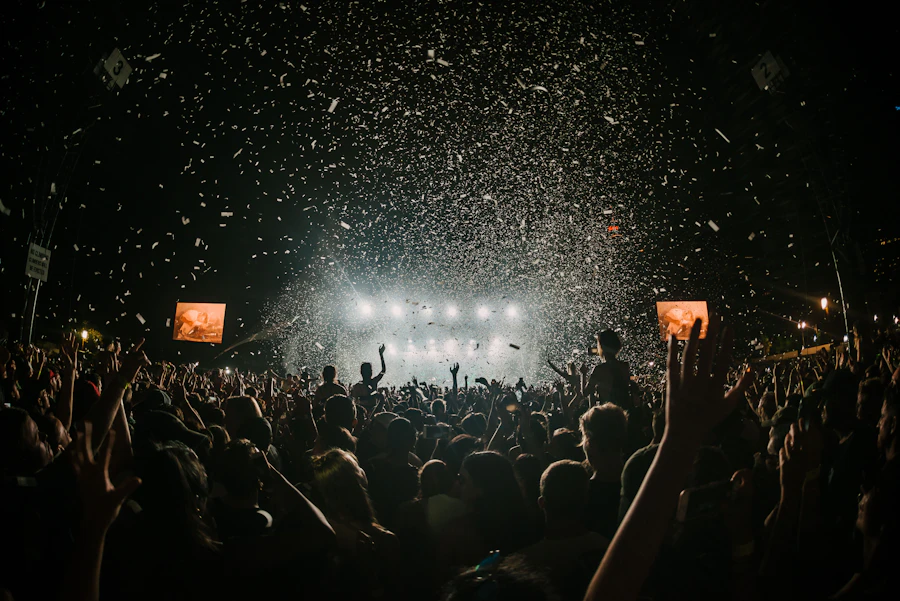
Corporate Drum Circle
⚡ High20–1000 participants · 45–90 minutes
Unity · Active listening

Virtual Murder Mystery
⚡ Medium8–120 participants · 75–120 minutes
Collaborative analysis · Information synthesis

Corporate MasterChef Cook-Off
⚡ Medium12–120 participants · 2.5–3 hours
Coordination under pressure · Resource negotiation

Box Cricket League
⚡ High24–300 participants · 3 hours to full day
Team spirit · Inclusive participation

Movie Making Challenge
⚡ Medium15–150 participants · 3–4 hours plus screening
Creative collaboration · Project management
💡 Our point of view
Why every team-building website looks exactly the same
You're here because someone said, “Let's do something for the team.” You opened a tab, typed “team building activities,” and landed on a page that looks like every other one. Let's skip that part.
Keep readingShow less
A grid of treasure hunts. Photos of people in matching t-shirts laughing too hard. A contact form. Your manager, CHRO or founder asked for “something for the team” — and every vendor answers with the same page.
In hundreds of corporate programs across 27+ Indian cities over the last 13 years, we've watched one thing consistently move the needle on team performance. And it's never the activity itself. It's the debrief — the 20 minutes after the activity ends, when a trained facilitator walks the team through what just happened. Why one person took charge and then disappeared. Why the loudest voice wasn't the most useful one. Why two sub-teams compete instead of sharing information.
That's the part most team-building companies skip. That's where we focus.
What “team building” should actually mean
If your last team outing ended with everyone saying “that was fun” and nothing changed on Monday morning, you didn't run a team-building program. You ran a paid party.
Keep readingShow less
Real team-building activities are designed backwards. You don't start with “what's a fun game we can play?” You start with “what's actually broken in this team that we need to surface and fix?”
Maybe the team is avoiding healthy conflict. Maybe decisions are being made by two or three voices while everyone else stays quiet. Maybe new joiners aren't integrating. Maybe there's a silent split between sub-teams that nobody is naming.
Each of these has a specific kind of activity that surfaces it. And a specific kind of debrief that turns the experience into a real shift back at work. The right program starts with a conversation about your team. Not a brochure.
The right format for your team's actual needs
Outdoor team building activities
Use this when your team is stuck in a routine. When you want to see who really leads under pressure. When you have a full day or longer and want to combine bonding with real learning. Outdoor formats — raft building, rope courses, treasure hunts across resort properties — put people in mild discomfort with new variables. That's where you see who leads under uncertainty, who shuts down, who connects unrelated dots, who builds bridges between sub-teams.
Explore →Indoor team building activities
Use this when the budget is tight. When you have half a day. When the weather is unpredictable. When the team is office-bound. Indoor activities — escape rooms, business simulations, murder mysteries, cook-it-up sessions — punch above their weight when designed well. The constraint of a room forces clearer communication and tighter feedback loops.
Explore →Virtual team building activities
Virtual works when it's not just a Zoom quiz. Virtual escape rooms, online cooking classes, and structured icebreakers with breakout rooms create real engagement when groups stay under 12 per facilitator and sessions run in 45–90 minute blocks. Use virtual when your team is distributed or hybrid, when you want to onboard remote joiners, or when you don't have a travel budget.
Explore →Corporate off-sites and day outings
Use this when you're planning an annual strategy. When you're kicking off a sales year. When your team hasn't been in the same room in nine months. Day outings at resort properties combine pool time, food, and 2–3 structured activities. Lower learning intensity. Higher recovery and connection value. Sometimes that's exactly what the team needs.
Explore →Want to dig deeper first? Browse our full services or the blog.
What separates a great program from a forgettable one
Three things — in this order.
The pre-program conversation
If a vendor sends you a PDF of 30 activities and asks you to pick, they're guessing. The right conversation starts with “what's actually going on in the team?” Activities are chosen after that. Not before.
The facilitator, not the activity
A mediocre activity with a great facilitator beats a great activity with a poor facilitator every single time. We've watched the same activity create transformation in one team and indifference in another. The difference was always who was running the room. Every program we run is led by a facilitator with at least three years of experiential learning experience.
The debrief
The activity is just the setup. The structured reflection that follows — the questions, the patterns named, the connections drawn to how the team works back at the office — that's where behavioural change happens. If the agenda doesn't include 20–30 minutes of debrief after each activity, you're paying for entertainment.
Team building in your city






Who this microsite is for
You're probably one of these people.
An HR manager
planning a quarterly engagement event for 80–200 people. Under pressure to show that engagement spend actually moved a metric.
An L&D head
designing a leadership program. You need real methodology, real measurement, real outcomes — not games with corporate branding.
An admin manager or EA
who just got asked to “organise something for the team.” You want it done well, on time, on budget, without 50 follow-up emails.
A founder
of a 30-person startup that hasn't done anything together in a year. You want the next time the team is in a room together to actually mean something.
If any of these sound like you, you're in the right place.
Start your free scoping call today →Why teams choose us over generic event agencies
We use a facilitator-first model; every program is led by a trained facilitator, not an event coordinator. And our rebook rate sits at 87% within 12 months, because the work creates outcomes clients want to repeat.
Keep readingShow less
Experience and design quality compound over time. We've spent 13+ years doing this work. Hundreds of corporate programs delivered across IT/ITES, BFSI, manufacturing, and consulting. On-ground delivery in 27+ Indian cities. Group sizes from 10 to 1,500+, with end-to-end logistics included.
What happens when you reach out
- 1A real person replies within 4 working hoursNot a chatbot. Not a templated auto-response.
- 2A 20-minute scoping callWe ask about your team. We don't pitch.
- 3A custom proposal within 24 hoursSpecific activities tied to your objectives. The name of the facilitator who'll lead your program.
That's the process. No multi-week sales funnel. No drip emails. No “let me loop in my manager.”
Frequently asked questions
What are team-building activities, and how are they different from a team outing?
A team outing is recreation, food, drinks, and maybe a resort day. Team building activities are structured experiences with a clear learning goal, run by a trained facilitator, and followed by a debrief that connects what happened in the activity to how the team works back at the office. The activity is the medium. The behavioural shift is the real product.
How long should a corporate team-building activity be?
Depends on the goal. A single icebreaker or energiser runs 30–45 minutes. A meaningful team-building activity with a proper debrief needs 2–3 hours. A full-day program with multiple activities and structured reflection runs 6–8 hours. Leadership offsites typically run 2–3 days. The mistake most companies make is squeezing a half-day of activities into a 90-minute slot and getting half a day's worth of learning out of it.
How many people can join a single team-building activity?
Anywhere from 10 to 1,500+. The structure changes with size. Small groups (under 30) get one facilitator and deep experiential learning. Mid-sized groups (50–200) need parallel tracks with multiple facilitators. Large groups (500+) work best as tournament-style flagship formats with sub-teams and scoring. There's no upper limit if it's planned right.
How do we measure ROI on team-building activities?
Three layers. Immediate (participant feedback collected during the debrief). Short-term (a 30-day pulse on specific behaviours you wanted to shift). Long-term (engagement scores, retention, time-to-productivity for new joiners). If the vendor can't help you set up at least the first two layers, you're buying a party, not a program.
What formats can a team-building program take?
Indoor activities, outdoor adventures, virtual sessions for distributed teams, day outings at resort properties, overnight off-sites, multi-day leadership retreats, and flagship corporate events for hundreds of people. The right format depends on group size, available time, team composition, and what you're trying to achieve. We recommend a format after a scoping conversation — never before.
Get your custom proposal in 24 hours
Tell us your group size, city, dates and what's going on with the team. A real person replies within 4 working hours.
- ✓ A real person replies within 4 working hours
- ✓ Custom proposal within 24 hours of your call
- ✓ End-to-end facilitation, venues, props and crew